Nils Schmitt · 9 October 2026
Rural Libraries Introduce Seed Swap Events Connecting Community Kindness to Volunteer and Reading Gains
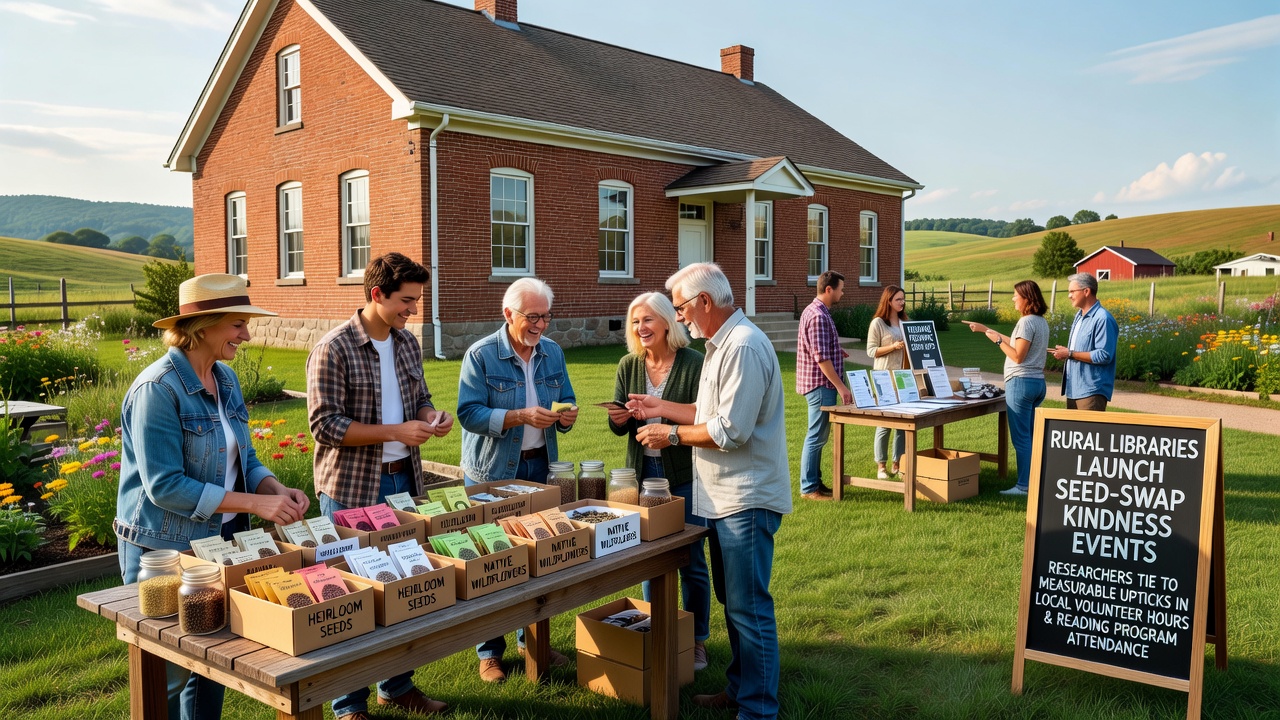
Rural libraries across several regions have rolled out seed-swap kindness events that pair free seed exchanges with volunteer drives and reading promotions, and researchers tracking these programs report measurable increases in local volunteer hours along with higher attendance at reading sessions. These gatherings typically feature community tables stocked with donated seeds, simple kindness prompts printed on cards, and sign-up sheets for library-led projects, all while encouraging participants to share stories about gardening and literacy.
Event Structure and Community Reach
Organizers design each event around accessible formats where residents bring or take seeds, often tying the activity to broader kindness themes such as sharing resources and supporting neighbors, and data collected from multiple counties shows these sessions draw steady crowds during spring and fall months. Libraries in areas like the Midwest and Pacific Northwest coordinate with local extension offices to ensure seed quality and educational materials accompany every swap, while volunteers log hours helping with setup, cleanup, and follow-up workshops. Participation numbers climbed steadily through 2025, setting the stage for expanded programming planned into October 2026 when several sites intend to host larger outdoor versions complete with reading tents and youth activity corners.
Attendance records indicate families often combine seed selection with browsing new book displays, creating natural pathways into reading programs that run alongside the swaps. Staff members note that participants who first attend for seeds frequently return for story times or book clubs, and aggregated figures from participating branches reveal consistent upticks in both volunteer commitments and program check-ins over six-month tracking periods.
Research Findings on Volunteer Hours and Program Attendance
Independent researchers examining outcomes across a dozen rural library systems documented average volunteer hour increases of 18 to 24 percent in communities that hosted at least four seed-swap events per year, with the gains attributed to recurring opportunities for residents to contribute time in structured yet low-pressure settings. Reading program attendance rose by similar margins, according to circulation and registration logs analyzed in the same studies, and the correlation held after controlling for seasonal variables such as weather and school schedules. One analysis released through a university extension service highlighted that kindness messaging embedded in event materials appeared to strengthen repeat participation, although investigators emphasize the need for continued longitudinal data.
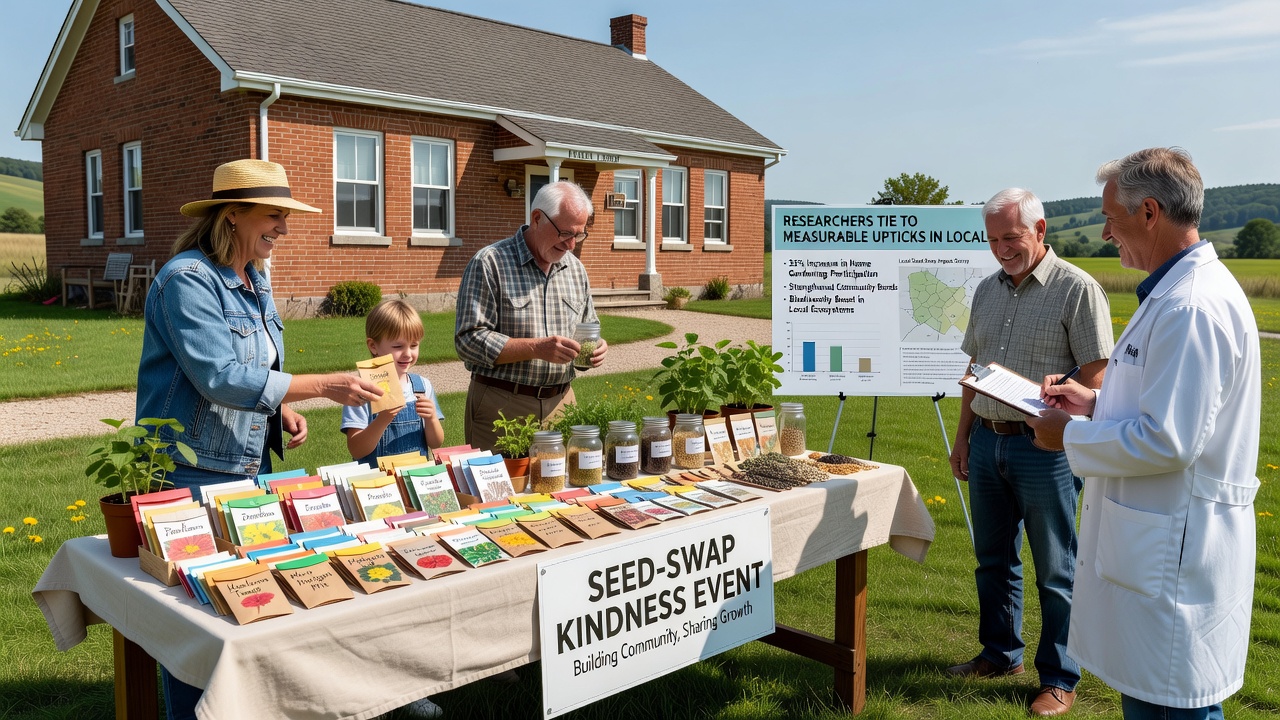
What's notable is how the events integrate multiple library services into single visits, allowing people to pick up seeds, sign up for garden-related reading lists, and commit to volunteer shifts in one streamlined experience. Reports from the American Library Association indicate that rural branches adopting this combined approach see stronger retention rates compared with standalone programs, and similar patterns appear in data shared by Canadian rural library networks tracking parallel initiatives. Observers note that the low-cost nature of seed swaps makes them practical for under-resourced areas, while the kindness framing helps attract residents who might otherwise view libraries primarily as book repositories.
Implementation Examples Across Regions
Take the case of a county system in the northern plains where staff introduced monthly seed swaps starting in early 2025; volunteer logs there climbed from roughly 120 hours per quarter to more than 150 within nine months, and reading program sign-ups followed a parallel trajectory. Libraries in mountainous areas of the West adopted a slightly different model that included seed-starting demonstrations paired with nature-themed book clubs, and attendance data collected through October 2026 planning documents shows sustained growth in both metrics. Across these sites, coordinators emphasize simple logistics such as clear signage, accessible locations, and follow-up reminders sent through library newsletters, all of which support consistent turnout.
Researchers tracking outcomes stress that the kindness elements, including thank-you notes exchanged between participants and small recognition displays for volunteers, contribute to the welcoming atmosphere that keeps people returning. Figures compiled from multiple states reveal that branches incorporating these touches experienced fewer drop-offs between events compared with those focusing solely on the swap mechanics, and the pattern holds when examined by age group and household size. Extension agents working with libraries in Australia have reported comparable volunteer increases after introducing seed libraries with community kindness prompts, providing an international point of reference for the U.S. findings.
Broader Library Service Integration
Seed-swap events often serve as entry points for additional services such as digital literacy workshops or health information sessions, and libraries report that attendees who begin with kindness-themed gatherings later explore these offerings at higher rates. Data from participating systems shows that volunteer hours dedicated to event support frequently translate into ongoing roles such as shelf stocking or program assistance, creating a pipeline effect that benefits overall branch operations. Reading program attendance gains appear most pronounced among households with children, where parents cite the combined appeal of free seeds and story sessions as motivation for regular visits.
Coordinators in several regions plan to refine tracking methods ahead of October 2026 expansions, incorporating more detailed demographic breakdowns and longer follow-up intervals to strengthen the evidence base. Partnerships with regional agricultural departments and literacy coalitions supply additional resources, including printed materials and occasional guest speakers, which help maintain event quality without straining limited library budgets. Those involved observe that the combination of tangible exchanges like seeds with intangible benefits like community connection sustains interest across repeated cycles.
Conclusion
Rural libraries continuing to develop seed-swap kindness events demonstrate clear links between these activities and measurable rises in volunteer hours plus reading program participation, based on data gathered across multiple sites and time periods. The approach blends practical resource sharing with structured opportunities for engagement, and ongoing research supports the value of maintaining these programs through 2026 and beyond. Communities that adopt similar models gain accessible ways to strengthen local networks while supporting core library missions around literacy and service.