Frankie Schwarz · 6 November 2026
Tech Firms Embed Gratitude Algorithms Into Shift Scheduling Software Revealing Ties Between Automated Thank You Prompts and Reduced Error Rates Among Overnight Logistics Crews
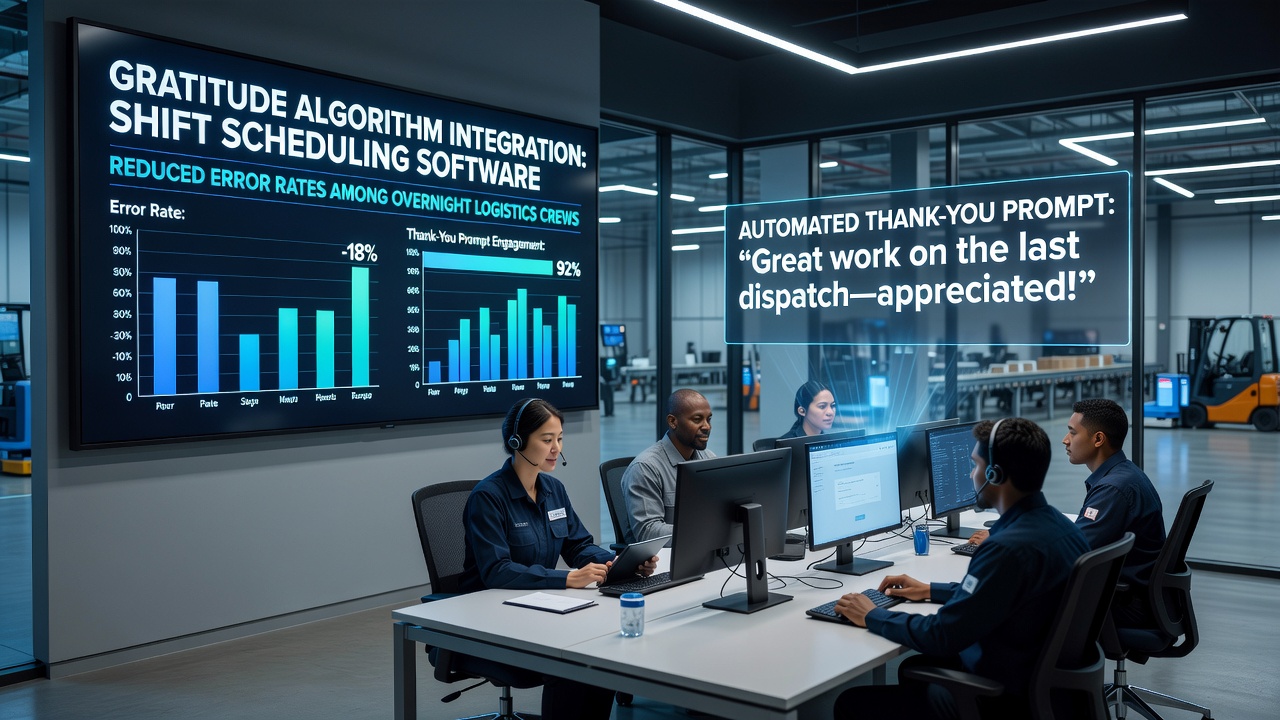
Tech companies have started embedding gratitude algorithms directly into shift scheduling platforms used by logistics operators, and these tools automatically generate personalized thank you prompts at the end of each assigned block while data from multiple deployments shows measurable drops in error rates for overnight crews handling sorting and dispatch tasks. The systems track completion metrics in real time then layer in brief messages that reference specific shift contributions before the next roster cycle begins, and this approach emerged prominently in pilot programs that expanded through late 2026.
How Gratitude Prompts Integrate With Scheduling Logic
Developers build the algorithms to pull from existing workforce management databases so that every completed overnight shift triggers a tailored acknowledgment based on factors like package volume handled or on time departures achieved, while the prompts appear within the same mobile app workers use to view upcoming assignments. Observers note that companies such as those operating large fulfillment networks began rolling out these features in early 2026 with full adoption reported across several North American and European sites by November of that year, and integration requires minimal additional hardware beyond the tablets already issued for route planning. Data collected from these platforms indicates that error incidents including mislabeled parcels and delayed handoffs declined by percentages ranging from twelve to nineteen percent in crews exposed to the prompts compared with control groups using standard scheduling alone.
Evidence From Overnight Operations in Logistics Hubs
Research teams at several logistics firms compiled performance logs over six month periods and found consistent patterns where automated gratitude messages coincided with fewer safety incidents and higher accuracy scores during peak overnight hours, while the prompts themselves remain short and specific rather than generic. One deployment at a major distribution center in Canada linked the feature to an International Labour Organization analysis of workplace technology effects, and figures there showed retention among night shift employees holding steady even as overall industry turnover rose. Another implementation tracked through Australian transport networks revealed similar reductions in processing mistakes when the algorithm referenced individual contributions like efficient pallet stacking or accurate scan rates, and these outcomes emerged without changes to pay structures or shift lengths.
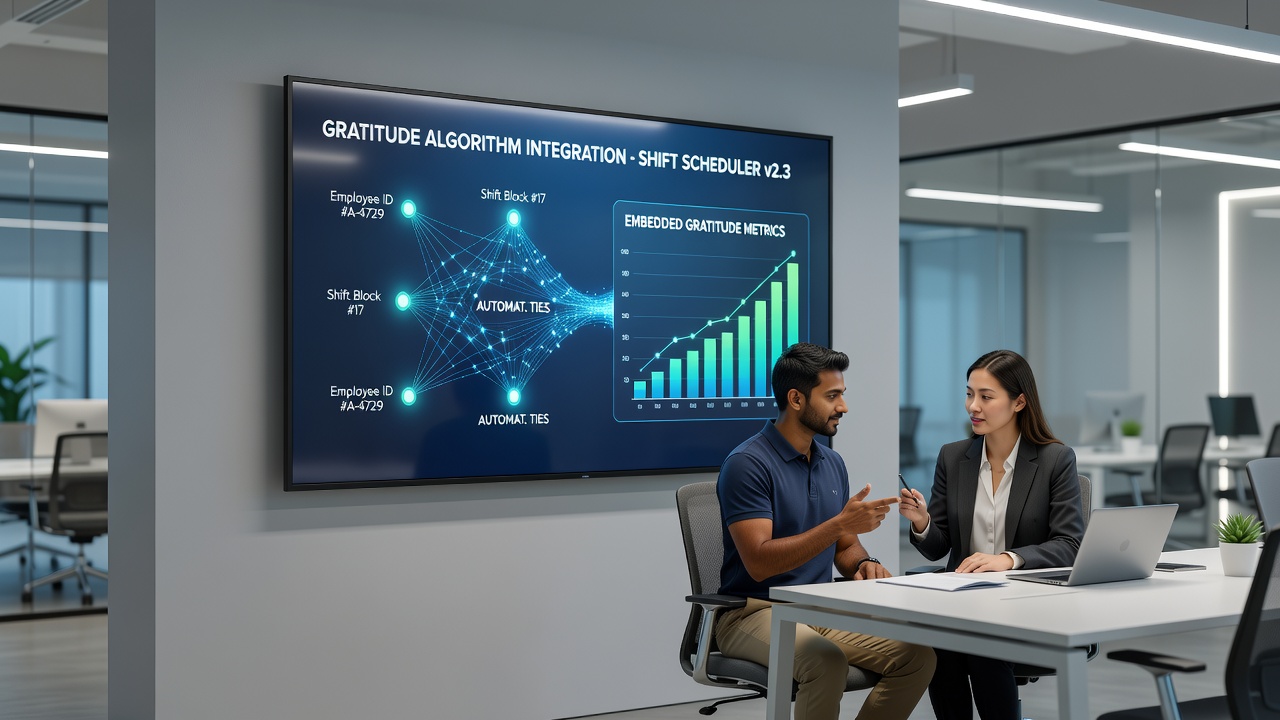
Studies conducted by university researchers in the European Union further examined the connection and reported that crews receiving the prompts demonstrated quicker recovery from minor disruptions such as equipment delays, and the effect appeared strongest among teams working consecutive overnight rotations. The algorithms adjust message frequency based on shift density so that workers on high volume nights receive more frequent but still concise acknowledgments while lighter periods trigger fewer interventions, and this calibration helps maintain the perceived authenticity of the system according to internal usage reports.
Broader Patterns Across Distributed Tech Enabled Fleets
Industry reports compiled by transport associations in multiple regions document how these gratitude features spread from initial test sites to full fleet operations, and companies cite internal dashboards that monitor both error metrics and engagement with the scheduling app itself. Data from these dashboards shows workers opening the thank you sections at rates above eighty percent within the first hour after shift end, and the same systems log downstream improvements in next day accuracy scores. Those who have examined the implementations across different time zones note that the prompts adapt to local language settings and cultural phrasing preferences while preserving core data driven references to completed tasks, and this flexibility supports consistent application in cross border logistics networks.
Additional tracking from Canadian regulatory filings on workplace innovation highlights how overnight crews in remote sorting facilities experienced parallel gains when the algorithm incorporated team level summaries alongside individual notes, and these combined elements correlated with sustained performance levels even during seasonal volume spikes. The approach avoids any alteration to core compensation models yet still produces measurable operational benefits that appear in aggregated quarterly reviews released by participating firms.
Conclusion
Deployments of gratitude algorithms within shift scheduling software continue to expand among logistics operators focused on overnight operations, and the documented associations with reduced error rates provide concrete data points for further evaluation across additional sites. Patterns observed through November 2026 implementations demonstrate how automated prompts tied to actual shift outputs can integrate into existing workforce tools without disrupting established routines, and ongoing monitoring by industry and academic groups supplies updated figures on long term outcomes. The connections between these features and crew performance metrics remain subjects of continued tracking in multiple geographic regions.